
Dixit-2021-COVID-19 Infection, Inception And I
Mar 14, 2023
Since January 2020 Elsevier has created a COVID-19 resource center with free information in English and Mandarin on the novel coronavirus COVID-19. The COVID-19 resource center is hosted on Elsevier Connect, the company's public news and information website.
Elsevier hereby grants permission to make all its COVID-19-related research that is available on the COVID-19 resource center - including this research content - immediately available in PubMed Central and other publicly funded repositories, such as the WHO COVID database with rights for unrestricted research re-use and analyses in any form or by any means with acknowledgment of the source. These permissions are granted for free by Elsevier for as long as the COVID-19 resource center remains active.
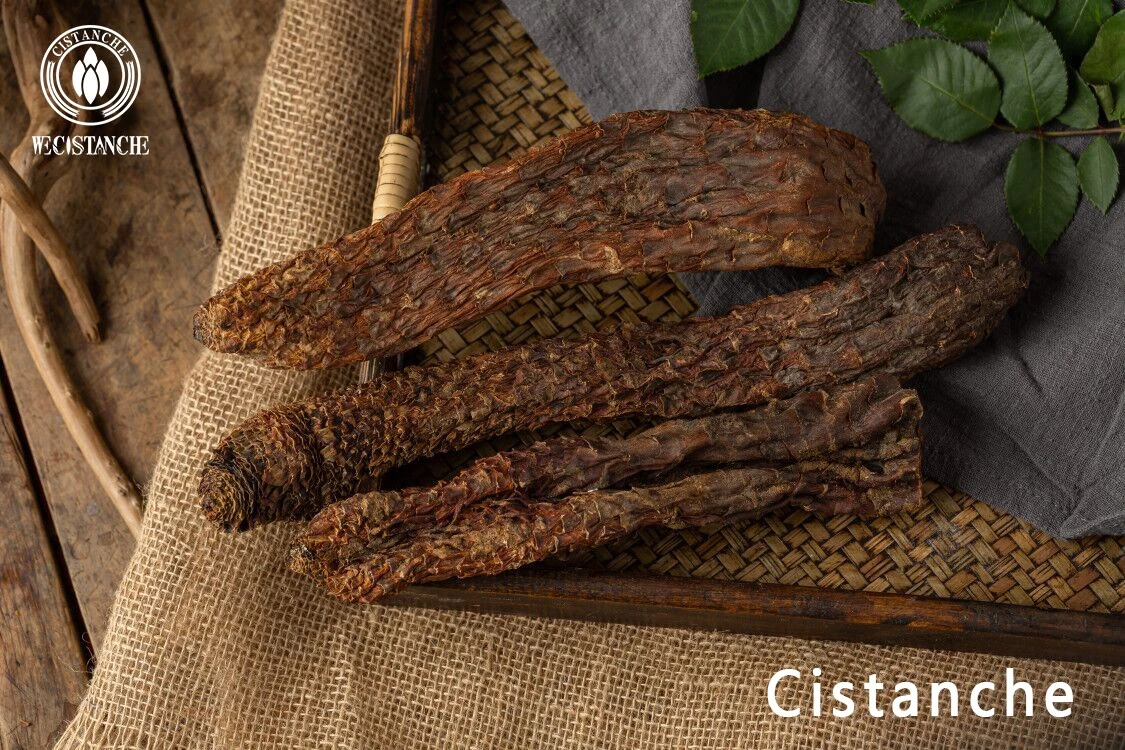
Regarding the new coronavirus, we have to mention human immunity. Improving human immunity can effectively resist the virus. Studies have found that the active ingredients in Cistanche can significantly help people improve immunity. The polysaccharide of Cistanche is an important immune regulator. It can activate macrophages, T cells, B cells, etc., enhance the proliferation and activity of immune cells, and improve human immunity. In addition, the flavonoids contained in Cistanche deserticola have anti-oxidation, anti-inflammatory, anti-viral, and other effects, which can eliminate free radicals and foreign substances in the body, thereby reducing the body's inflammatory response and the number of infections, and improve the body's natural immunity and immune system bottom line level.

Click cistanche para que sirve benefit
Abstract:
Responsive immunity plays an important role in fighting against infections. Worldwide, Vitamin D deficiency is a major concern not only for musculoskeletal health but also affecting the immunity status in the population. Amidst the COVID-19 pandemic, it is imperative to establish the role of vitamin D in the destruction of pathogens. A vitamin D awareness program at the school level might be an effective health governance policy to educate populations on the importance of vitamin D in overall health.
Dear Editor,
It is well known that the COVID-19 outbreak has brought the world to its knees and become a challenge for scientists and healthcare workers alike. Amidst the novel corona conundrum, two other factors are being closely argued, namely lack of responsive immunity and vitamin D deficiency, and unfortunately; both are pandemic. Whilst the world is struggling to discontinue the chain reaction among populations and also for mitigating the infection control; attempts are also being made to find out the links between the infection (COVID-19), mortality, and immune response. Given the newness of coronavirus, few articles (the majority are editorials and views) presumed a close link between vitamin D levels and coronavirus infection. However, definitive studies are still lacking.
Now by the time its (COVID-19) vaccine comes, there are two major factors upon which the population needs to focus such as personal hygiene and immunity modulation. It is well known that apart from several other factors viz. vitamin C, zinc, and magnesium; Vitamin D also acts in several ways to improve immunity [1]. Vitamin D is activated in macrophages to 1,25-dihydroxy vitamin D. This active form of vitamin D regulates the production of a defensin protein called cathelicidin. This protein selectively kills infectious agents including bacteria and viruses. Additionally, it (1,25-dihydroxy vitamin D) acts to alter the activity and number of lymphocytes known as Th2 lymphocytes which can release factors improving innate immune function resulting in reducing the risk of spread of infectious agents including bacteria and viruses [1].
Dr. Michael F. Holick, who has worked extensively in the research related to ‘vitamin D and health’, has conducted important studies about the role of vitamin D on immune function in healthy adults [2]. He reported that healthy adults who ingested 2000 IUs of vitamin D per day for three months altered the expression of 291 genes in their immune cells. In another study, Dr. Holick reported that healthy adults who took 10,000 IU vitamin D3 daily for 6 months regulated more than 1000 genes in their immune cells associated with improved immune function [2].
The vital source of vitamin D is sensible sun exposure which continues to be a major source of vitamin D worldwide for children, adults, and the elderly population. However, time of day, season, latitude, and degree of skin pigmentation are the factors that can have a dramatic influence on how much vitamin D can be produced when the skin is exposed to sunlight. Since vitamin D-fortified products are not easily available in most parts of the world and are expensive too, therefore, sun exposure is the cheapest way to obtain it. It has been estimated that for 80–90% of the population, the daily vitamin D requirements come from casual exposure to sunlight [1].
As the majority of the population were confined at their home during the lockdown and thus had no access to sun exposure; it is prudent to make sure that populations have adequate vitamin D levels to support their immune system against such diseases With this background, we postulate that population with optimum levels of vitamin D not only could be able to reduce the risk of getting an infection from COVID-19 but also with empowered immunity, resulting in reduced case fatality rate. We also believe that if there would have not been vitamin D deficiency among the population, the chance of mortalities would have been less now.
Moreover, optimum levels of vitamin D may also help to fight against other infectious pathogens other than COVID-19, limiting the comorbidities of Covid-19 as well. We conclude that vitamin D might have a role in the management of ongoing COVID-19 through immunity modulation.
When it comes to the Asian and Indian subcontinent, we wish to submit certain observations and recommendations and how we believe these factors can be effectively dealt with in the current crisis.

Observations
Much of India is above the latitude 35 ◦N. Due to this geographical location, sun rays come obliquely and dense fog and atmospheric pollution lead to limited availability of UVB rays and population are compelled to grab vitamin D either through dietary or pharmacological products and therefore it is difficult for the population to get naturally synthesized vitamin D between November to March. It is also important to mention here that most flu infections are noticed during these winter months. This climate-associated vitamin D deficiency may negatively affect immunity and therefore increase the risk of developing viral infections. There is evidence that adequate levels of vitamin D during the winter can result in a reduction in the incidence of influenza A and other viral illnesses of the respiratory tract [3].
Accidentally, the nationwide lockdown has evolved a new work culture i.e. Shift to a ‘Work from Home (WFH)’ culture, especially in the IT sector throughout the spring and summer months due to which the majority of people are compelled to say at home. Approximately 30% of the Indian population resides in urban settings where the majority of houses do not have access to sunlight. Moreover, it has been observed that much of the population is already lacking in sun-seeking behavior. Cessation of construction work and infrastructure activities in open areas during the pandemic has debarred the laborers as well. During the current crisis, much of the hospital resources were shifted to COVID-19 management, leading to the further inability of patients to access government dispensaries and hospital pharmacies for their routine Vitamin D supplements.
Recommendations
To date, there are no original studies available establishing the correlation between Vitamin D and Immune response in COVID-19 infection. We therefore must pay urgent attention to conducting such studies. Keeping given the socio-economic spectrum in India, food fortification has to be much more viable and affordable. For the working class, ‘D’ breaks (having sun exposure) analogous to tea breaks will be an interesting and welcoming drive to encourage people to obtain natural vitamin D.
In India, the majority of people are living with vitamin D deficiency till it brings deleterious health consequences. Therefore, it is imperative to initiate a curriculum at the school level itself about the importance of vitamin D in human health. Needless to say, vitamin D awareness programs through the government along with civil societies particularly at school, can make people understand the importance of vitamin D in their life and can manage to correct its deficiency naturally (diet & sunshine). The authors have already advocated and highlighted the importance of vitamin D & its role in maximizing health in their previous publications [4,5]. We, therefore, lay these recommendations to be tested shortly to avoid such further tsunamis of infection.

References
[1] Holick MF. Sunlight and vitamin D for bone health and prevention of autoimmune diseases, cancers, and cardiovascular disease. Am J Clin Nutr 2004;80(December (Suppl. (6))), 1678S-88S.
[2] Holick MF, Chen TC, Lu Z, Sauter E. Vitamin D, and skin physiology: a D-lightful story. J Bone Miner Res 2007;(December (Suppl. (2))):V28–33.
[3] HolickMF. Sunlight, UV-radiation, vitamin D and skin cancer: how much sunlight do we need? Adv Exp Med Biol 2008;624:1–15.
[4] Dixit V, Pegrum J, Batra S, Dhanwal D, Garg B. Is there a need for a Vitamin D supplementation program in India (VDSPI)? A letter to the Editor. J Clin Orthop Trauma 2018;9(March (Suppl. (1))):S56–7.
[5] DixitVivek, PegrumJames, Dhanwal DineshK,Batra Sahil, GargBhavuk. Theneed of vitamin d supplementation programme in India. J Adv Res Med 2017;4(3&4).
Vivek Dixit ∗
Bhavuk Garg
Nishank Mehta
Department of Orthopaedics, All India Institute of Medical Sciences, New Delhi 110029, India
James Pegrum
Nuffield Orthopaedic Centre, Oxford University, UK
Dinesh Dhanwal
NMC Super Speciality Hospital, Abu Dhabi, UAE
Corresponding author.
© 2021 The Authors. Published by Elsevier Ltd on behalf of King Saud Bin Abdulaziz University for Health Sciences. This is an open-access article under the CC BY license.
For more information:1950477648nn@gmail.com